Unlocking the Future: How STEM Education in Electricity Robotics and AI Empowers Young Innovators
- philipbarasa39
- Sep 24, 2025
- 4 min read
In today's fast-paced world, the significance of STEM (Science, Technology, Engineering, and Mathematics) education is more critical than ever. We are on the verge of a technological boom that will reshape careers and industries. Preparing young minds with essential skills in electricity, robotics, and artificial intelligence (AI) is vital. This blog post highlights how STEM education in these areas equips the next generation of innovators, opening doors to a future rich with opportunities.
The Importance of STEM Education
STEM education promotes critical thinking, creativity, and problem-solving skills. It motivates students to explore, experiment, and innovate, laying a solid foundation for future advancements. By incorporating subjects like electricity, robotics, and AI into curricula, educators can provide engaging, hands-on experiences.
For instance, according to a report by the National Math and Science Initiative, students who participate in STEM-focused courses are 60% more likely to pursue a degree in a STEM field compared to their peers. This correlates directly with improved job prospects, as a 2019 report from the Bureau of Labor Statistics projected that STEM occupations would grow by 8% from 2019 to 2029, adding over 1 million new jobs.
Electricity: The Foundation of Innovation
Electricity serves as the backbone of modern technology. Understanding its principles is crucial for anyone pursuing a career in engineering or technology. Through STEM education, students study circuits, conductors, and the flow of electricity—principles that form the basis of many technological innovations.
Participating in hands-on projects, like constructing simple circuits or exploring renewable energy solutions such as solar panels, allows students to develop practical skills that are in high demand. A survey by the National Renewable Energy Laboratory found that jobs in the renewable energy sector are projected to grow by 11% in the coming decade. With the right knowledge, students can be part of this clean energy revolution.

Robotics: Bridging the Gap Between Theory and Practice
Robotics integrates multiple disciplines, such as mechanical engineering, electrical engineering, and computer science. It gives students the chance to apply their STEM knowledge in concrete ways. In robotics programs, students design, build, and program robots, enhancing their teamwork, critical thinking, and project management skills.
Competing in robotics tournaments can be particularly beneficial. For example, the FIRST Robotics Competition annually challenges thousands of students to create robots to complete specific tasks, promoting essential skills under pressure. A study found that teams competing in these events can improve their technical skills by an impressive 30%. Additionally, the collaboration required in these competitions builds resilience and adaptability—qualities that are crucial in any career.
Artificial Intelligence: Shaping the Future
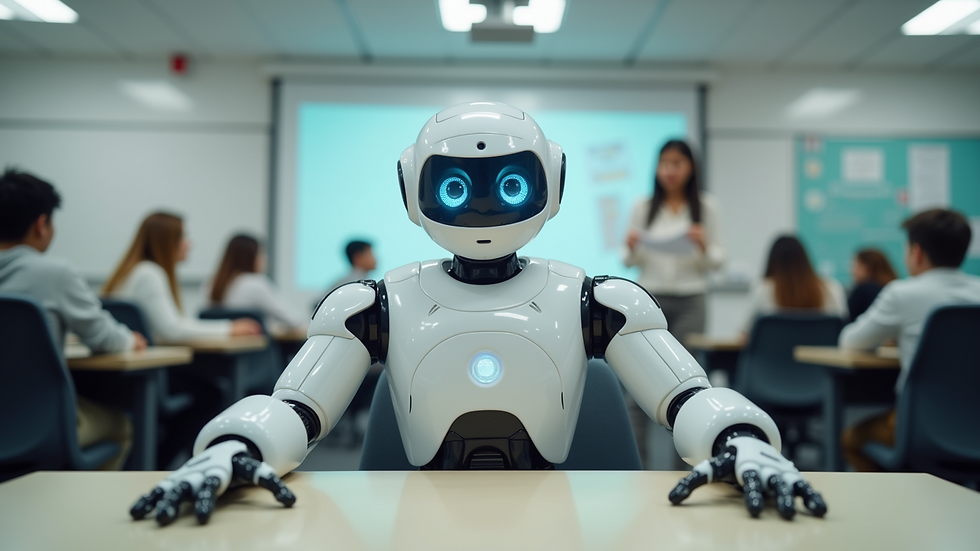
AI is revolutionizing industries and changing how we live and work. Understanding AI is essential as students prepare to enter a workforce increasingly influenced by this technology. STEM education in AI enables students to develop algorithms, analyze data, and create intelligent systems.
Engaging with AI concepts allows students to consider the ethical implications of technology. They examine questions such as how to use AI responsibly and the potential consequences of automation. According to a survey by McKinsey, 70% of organizations report they are in the process of adopting AI technology, making it crucial for future innovators to enter the field with strong ethical foundations.
The Role of Educators and Institutions
Educators are pivotal in nurturing a love for STEM subjects. By creating inclusive and supportive learning environments, teachers inspire students to explore electricity, robotics, and AI. Professional development opportunities for educators are vital to keep them informed about the latest advancements, allowing them to provide engaging and relevant instruction.
Institutions can also enhance STEM education by collaborating with local businesses and organizations. These partnerships can offer students internships and mentorship, giving them access to advanced technology and industry insights. For instance, a partnership between a university and a tech company resulted in a 25% increase in student internships, offering around 300 students hands-on experiences in high-demand fields over just two years.
Encouraging Diversity in STEM
Diversity within STEM fields is essential for driving innovation. Encouraging students from various backgrounds to pursue opportunities in electricity, robotics, and AI can generate a wider range of ideas and solutions. Programs aimed at underrepresented groups in STEM help create a more inclusive environment, ensuring diverse voices are heard and valued.
Mentorship programs and scholarships are crucial in fostering diversity. For instance, initiatives like Black Girls Code aim to provide young girls of color with the skills needed in technology. The organization has empowered over 8,000 girls to pursue careers in tech, creating a community of future innovators who reflect diverse perspectives.
Shaping a Brighter Tomorrow
STEM education in electricity, robotics, and artificial intelligence is crucial for equipping the next generation of innovators. By providing students with the knowledge and skills to navigate an ever-evolving world, we empower them to tackle complex challenges and drive technological growth.
Investing in STEM education shapes individual futures and unlocks the potential for a more innovative tomorrow. By nurturing a passion for learning and promoting diversity in these fields, we can ensure a future filled with creativity, collaboration, and groundbreaking discoveries.




Comments