Transform Your Space with Home Automation Solutions
- philipbarasa39
- Aug 28, 2025
- 5 min read
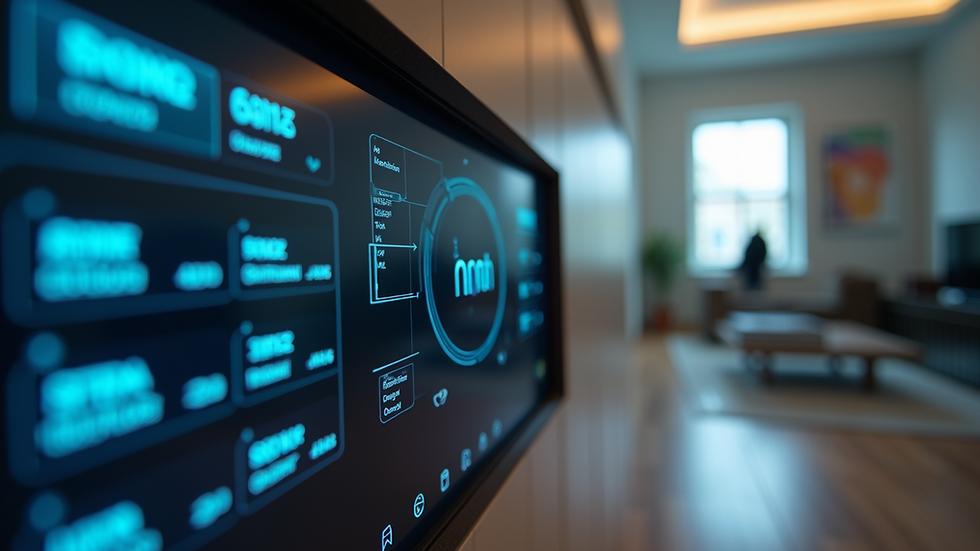
In today's fast-paced world, convenience and efficiency are more important than ever. Home automation solutions offer a way to transform your living space into a smart, responsive environment. Imagine controlling your lights, thermostat, and security system all from your smartphone. This is not just a dream; it is a reality that many homeowners are embracing.
Home automation can enhance your lifestyle, save you time, and even reduce energy costs. In this blog post, we will explore various home automation solutions, their benefits, and how you can implement them in your home.
What is Home Automation?
Home automation refers to the use of technology to control various systems and devices in your home. This can include lighting, heating, cooling, security, and entertainment systems. With home automation, you can manage these systems remotely or set them to operate automatically based on your preferences.
For example, you can program your lights to turn on at sunset or set your thermostat to adjust the temperature when you leave for work. The possibilities are endless, and the technology is becoming more accessible every day.
Benefits of Home Automation
1. Convenience
One of the most significant advantages of home automation is convenience. With a few taps on your smartphone, you can control multiple devices in your home. This means no more fumbling for light switches in the dark or getting out of bed to adjust the thermostat.
2. Energy Efficiency
Home automation can help you save on energy costs. Smart thermostats can learn your schedule and adjust the temperature accordingly. Smart lighting systems can turn off lights when you leave a room, reducing unnecessary energy consumption.
3. Enhanced Security
Home automation can also improve your home security. Smart security cameras and door locks allow you to monitor your home from anywhere. You can receive alerts on your phone if there is unusual activity, giving you peace of mind.
4. Increased Home Value
Investing in home automation can increase the value of your home. Many buyers are looking for smart home features, and having these systems in place can make your home more attractive on the market.
5. Customization
Home automation systems can be tailored to fit your lifestyle. Whether you want to create a cozy movie night atmosphere or set the perfect lighting for a dinner party, you can customize your home environment to suit your needs.
Popular Home Automation Solutions
Smart Lighting
Smart lighting systems allow you to control your lights remotely. You can adjust brightness, change colors, and set schedules. Brands like Philips Hue and LIFX offer a range of smart bulbs that can be controlled via an app.
For example, you can set your living room lights to dim when it’s movie time or have your outdoor lights turn on automatically at sunset.
Smart Thermostats
Smart thermostats, such as the Nest Learning Thermostat, learn your heating and cooling preferences over time. They can adjust the temperature based on your habits, helping you save energy and money.
Imagine coming home to a perfectly heated or cooled house without having to adjust the thermostat manually.
Smart Security Systems
Smart security systems provide peace of mind. You can monitor your home through security cameras and receive alerts on your phone. Systems like Ring and Arlo offer video doorbells and cameras that can be accessed remotely.
You can even set up motion sensors to alert you if someone enters your property when you are not home.
Smart Speakers
Smart speakers, like Amazon Echo and Google Nest, can control other smart devices in your home. You can use voice commands to turn on lights, adjust the thermostat, or play music.
This hands-free convenience makes it easy to manage your home automation systems.
Smart Appliances
Smart appliances, such as refrigerators, ovens, and washing machines, can be controlled remotely. You can preheat your oven on your way home or check if you left the washing machine running.
These appliances can make your daily tasks more manageable and efficient.
How to Get Started with Home Automation
1. Assess Your Needs
Before diving into home automation, assess your needs and preferences. Consider which areas of your home you want to automate. Do you want to focus on security, energy efficiency, or convenience?
Identifying your priorities will help you choose the right systems for your home.
2. Choose a Hub
Many home automation devices require a central hub to connect and communicate. Hubs like Samsung SmartThings or Amazon Echo can integrate various devices, allowing you to control them from one app.
3. Start Small
If you are new to home automation, start with one or two devices. For example, you might begin with smart lighting or a smart thermostat. Once you are comfortable, you can expand your system.
4. Research Compatibility
Ensure that the devices you choose are compatible with your hub and other systems. Many brands offer devices that work seamlessly together, making it easier to create a cohesive home automation system.
5. Set Up Automation Routines
Once you have your devices in place, set up automation routines. For example, you can create a “Good Night” routine that turns off all the lights and locks the doors with a single command.
Real-Life Examples of Home Automation
Example 1: The Busy Family
Imagine a busy family with kids. They often forget to turn off lights when leaving the house. By installing smart lighting, they can set schedules to turn off lights automatically.
Additionally, a smart thermostat can adjust the temperature based on their daily routine, ensuring comfort without wasting energy.
Example 2: The Tech-Savvy Individual
A tech-savvy individual loves to control everything from their smartphone. They have smart speakers that play music, smart blinds that open and close based on the time of day, and a smart security system that alerts them of any unusual activity.
This individual enjoys the convenience and control that home automation provides.
Example 3: The Eco-Conscious Homeowner
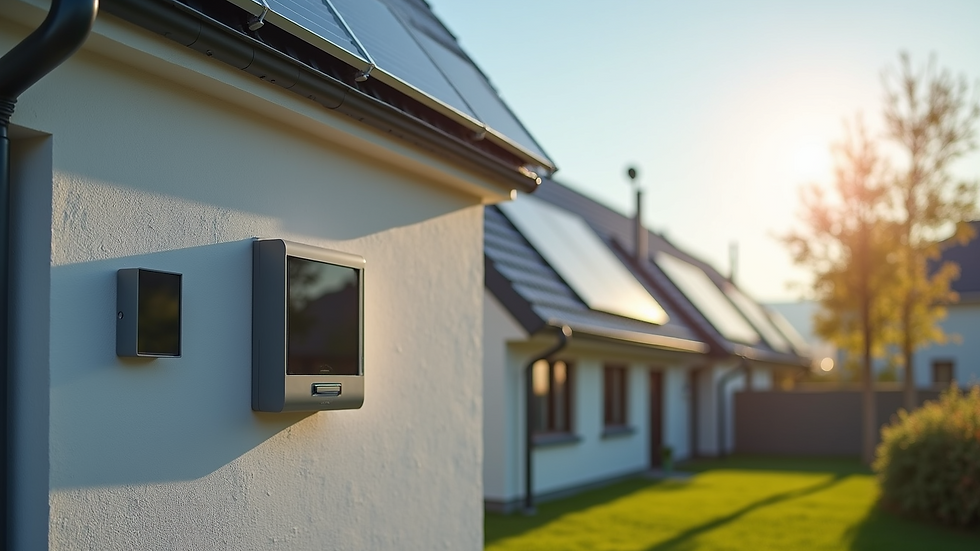
An eco-conscious homeowner wants to reduce their carbon footprint. They install a smart thermostat that learns their habits and optimizes energy use.
Smart lighting helps them reduce energy consumption by turning off lights when not in use. This homeowner enjoys the benefits of technology while being mindful of the environment.
Overcoming Common Challenges
1. Initial Costs
One of the main challenges of home automation is the initial investment. While some devices can be pricey, consider the long-term savings on energy bills and increased home value.
Start with essential devices and gradually expand your system.
2. Technical Issues
Like any technology, home automation systems can experience technical issues. Ensure you choose reliable brands and read reviews before purchasing.
Many companies offer customer support to help troubleshoot any problems.
3. Privacy Concerns
With smart devices, privacy is a concern for many homeowners. Research the privacy policies of the devices you choose and ensure they have strong security measures in place.
Consider using devices that allow you to control data sharing.
The Future of Home Automation
The future of home automation looks bright. As technology advances, we can expect even more innovative solutions. From AI-driven systems that learn our habits to improved integration between devices, the possibilities are endless.
Imagine a home that anticipates your needs and adjusts automatically. This future is closer than you think.
Final Thoughts
Transforming your space with home automation solutions can enhance your lifestyle in many ways. From convenience and energy efficiency to improved security, the benefits are clear.
By starting small and gradually expanding your system, you can create a smart home that fits your needs. Embrace the future of living and enjoy the comfort and control that home automation offers.


Comments